
The hidden effects of gambling on societal norms and values
The Rise of Gambling and Its Cultural Acceptance
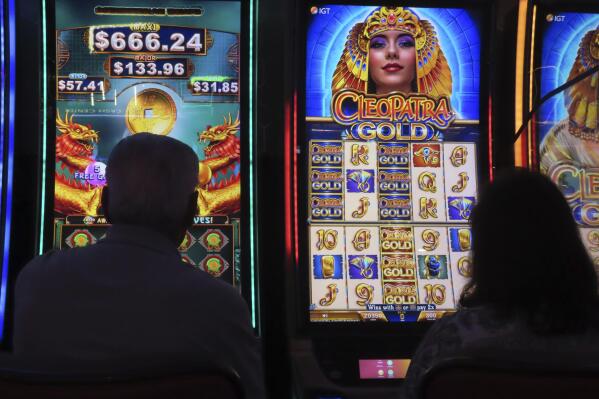
Gambling has evolved from a niche pastime to a mainstream activity, influencing societal norms in unprecedented ways. As casinos and online betting platforms proliferate, more individuals engage in gambling as a form of entertainment, often seen as a harmless diversion. This shift in perception has led to gambling being integrated into various social interactions, where sharing experiences at casinos or discussing betting strategies has become common in both social and professional settings. If you want more information about fast payout options, you can find it here.

Moreover, this cultural acceptance is reflected in the normalization of gambling in entertainment media. Films, television shows, and online content frequently depict characters who engage in gambling, often glamorizing the lifestyle associated with it. Such portrayals can diminish the stigma once attached to gambling, encouraging more individuals to participate, sometimes without fully understanding the potential consequences or risks involved.
As gambling becomes more integrated into the fabric of society, its influence can be seen in various social events and community gatherings. Fundraisers, charity events, and even social clubs often incorporate gambling as a way to engage participants and raise funds. This blending of gambling with charitable initiatives can create a perception that gambling is not only socially acceptable but also beneficial, complicating the societal conversation about its impacts on individuals and communities.
The Impact of Gambling on Family Dynamics
The effects of gambling extend deeply into family structures and dynamics, often reshaping relationships and responsibilities. In some households, gambling can lead to financial strain, altering the dynamics between partners or parents and children. The pressure of potential losses may create tension, which can manifest as conflict or mistrust within families. The need to balance gambling activities with familial obligations can create an underlying stress that affects communication and emotional connections.
Additionally, children raised in gambling households may develop skewed perceptions of risk and reward. They may learn that financial success is attainable through luck rather than hard work, potentially fostering unhealthy attitudes towards money management and personal responsibility. As these children grow into adulthood, they may carry these beliefs into their own families, perpetuating cycles of behavior that normalize gambling and minimize the importance of financial literacy.
Conversely, some families may find that gambling becomes a bonding activity, a shared interest that brings them closer together. Activities such as family poker nights or trips to casinos can create memorable experiences and foster a sense of unity. However, the line between healthy bonding and destructive behavior can often be blurred, making it essential for families to navigate these waters carefully to avoid the negative repercussions associated with gambling.
The Economic Implications of Gambling on Society
From an economic perspective, gambling can have a significant impact on local and national economies. Revenue generated from casinos and gambling establishments can contribute to job creation, tourism, and local business growth. This influx of money can improve public services and infrastructure, leading to enhanced community development. Many regions that have embraced gambling as an industry have witnessed increased economic activity and investment.
However, the economic benefits are often accompanied by hidden costs. Increased gambling can lead to a rise in problem gambling, resulting in increased demand for social services, healthcare, and support for those affected. Communities may find themselves faced with higher rates of addiction-related issues, which can strain public resources and impact overall economic stability. The paradox of gambling’s economic impact is a critical conversation point for policymakers and community leaders.
Furthermore, the tax revenues generated from gambling establishments can create reliance on this industry for funding essential services. Communities may find themselves in a precarious position, where the economic benefits of gambling overshadow the need for effective regulations and support systems to mitigate the potential adverse effects. This reliance can lead to policy decisions that prioritize short-term economic gains over long-term community well-being.
The Psychological Effects of Gambling on Individuals
The psychological implications of gambling on individuals are profound and multifaceted. While many may view gambling as a form of entertainment, it can lead to addictive behaviors that have devastating consequences. The thrill associated with winning can create a cycle of seeking immediate gratification, which can escalate into a dependency on the activity for emotional relief or escapism. This can lead to severe mental health issues, including anxiety, depression, and emotional distress.
Moreover, the concept of luck versus skill in gambling plays a significant role in shaping individual attitudes and behaviors. Many gamblers believe in their ability to influence outcomes through skill or strategy, which can lead to overconfidence and increased betting. This belief can be damaging, as individuals may chase losses or continue gambling despite significant financial or emotional turmoil. Understanding the psychological aspects of gambling is essential for developing effective prevention and treatment strategies for problem gambling.
Additionally, societal narratives surrounding gambling can affect how individuals perceive their gambling experiences. For instance, stories of big wins can create unrealistic expectations, leading many to underestimate the risks involved. The portrayal of successful gamblers in popular culture can perpetuate the myth that anyone can achieve similar success, making it easier for individuals to overlook the potential negative impacts on their lives and relationships.
Conclusion: The Dual Nature of Gambling in Society
The hidden effects of gambling on societal norms and values present a complex landscape filled with both opportunities and challenges. As gambling becomes more entrenched in everyday life, it is essential for communities to engage in open dialogues about its implications. Recognizing both the economic advantages and social risks can help guide more informed policy decisions that address the needs of individuals and families affected by gambling.
Understanding these hidden effects necessitates a collaborative approach among stakeholders, including policymakers, mental health professionals, and community organizations. By fostering awareness and creating support systems, society can better navigate the dual nature of gambling, ensuring that it remains a form of entertainment rather than a destructive force in people’s lives.